Share photos that remember where they belong.
Pin images into shared places, open details as 3D scenes, and follow the paths other people captured.
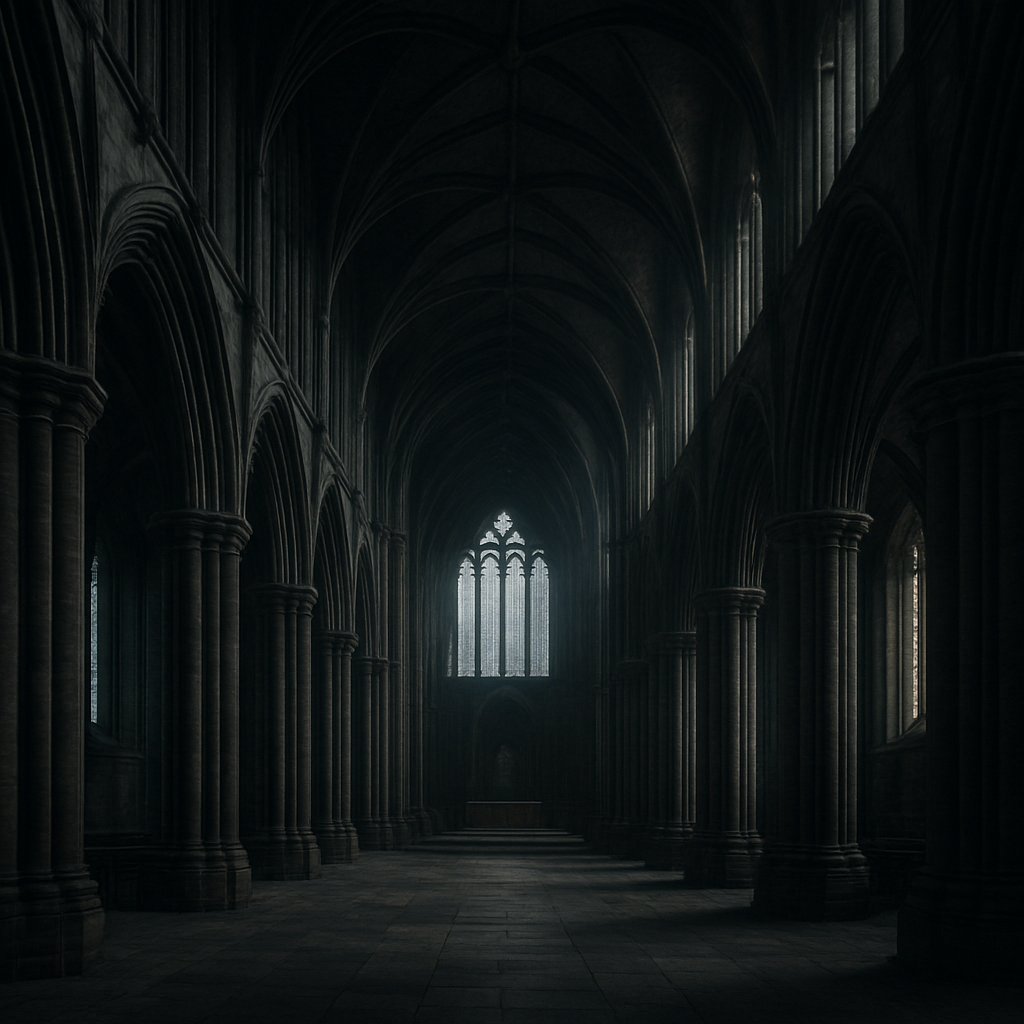

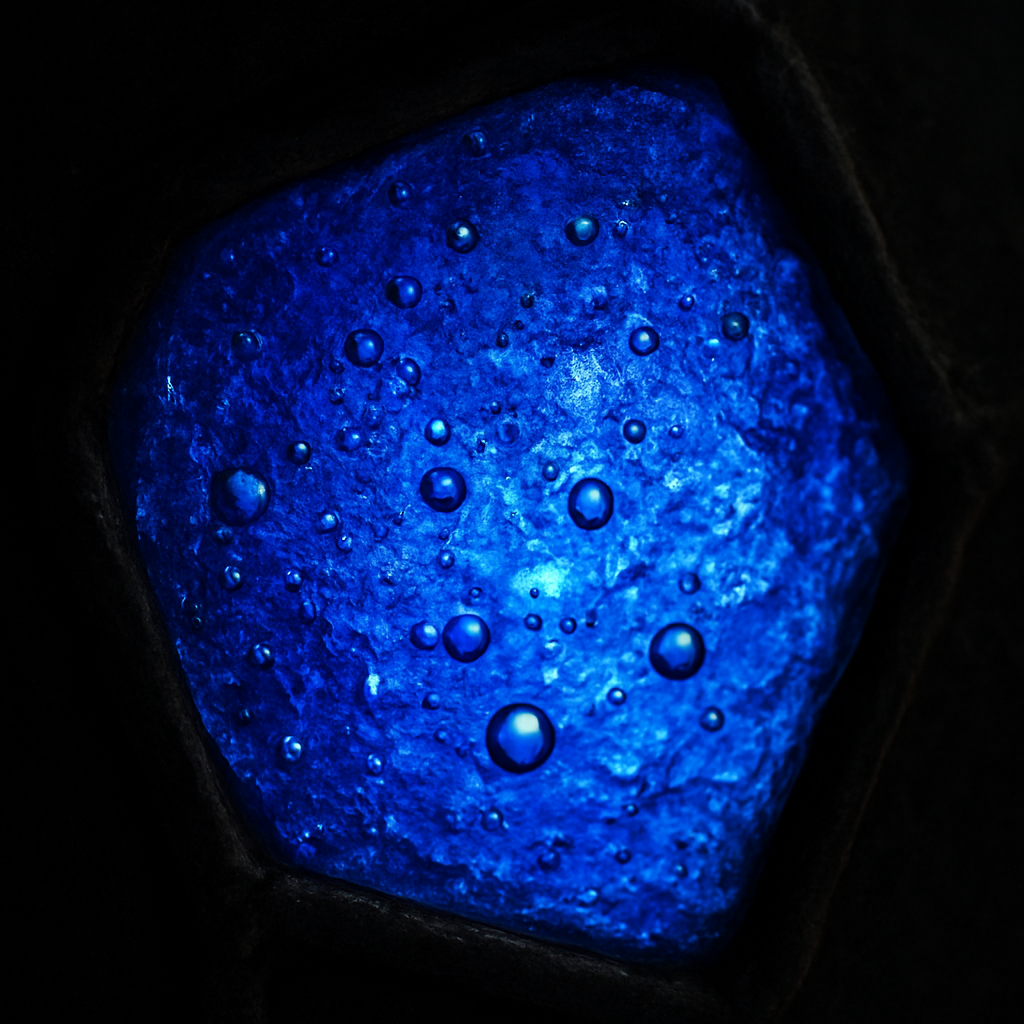
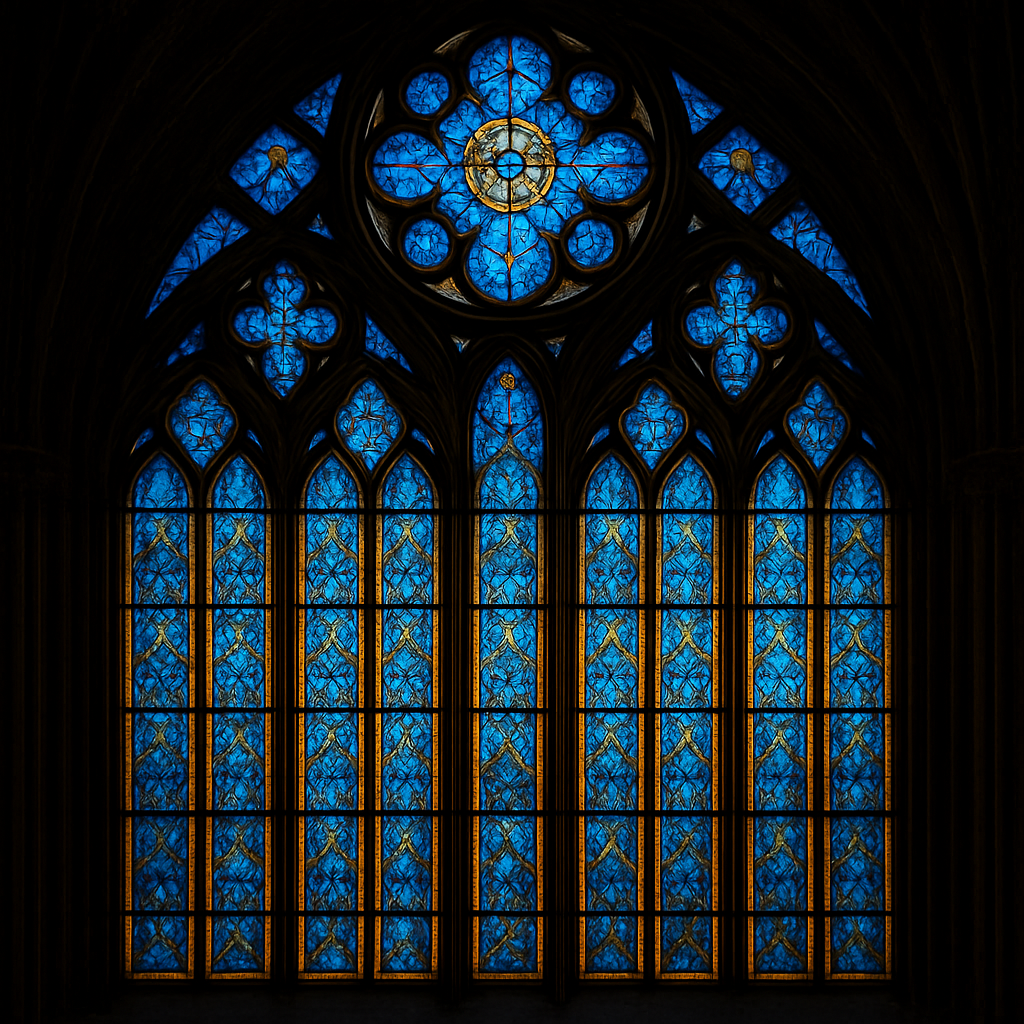
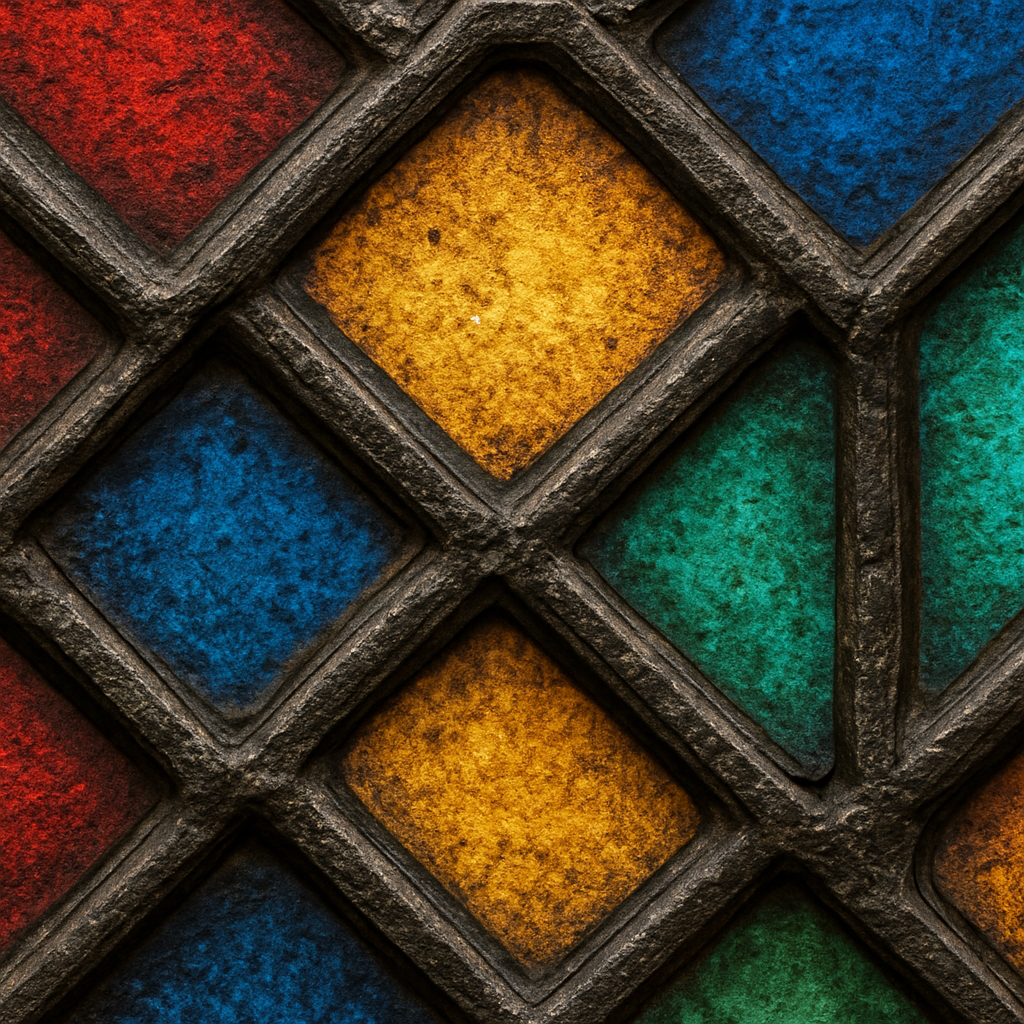
Featured places
Start with active spaces that already have photo stories.
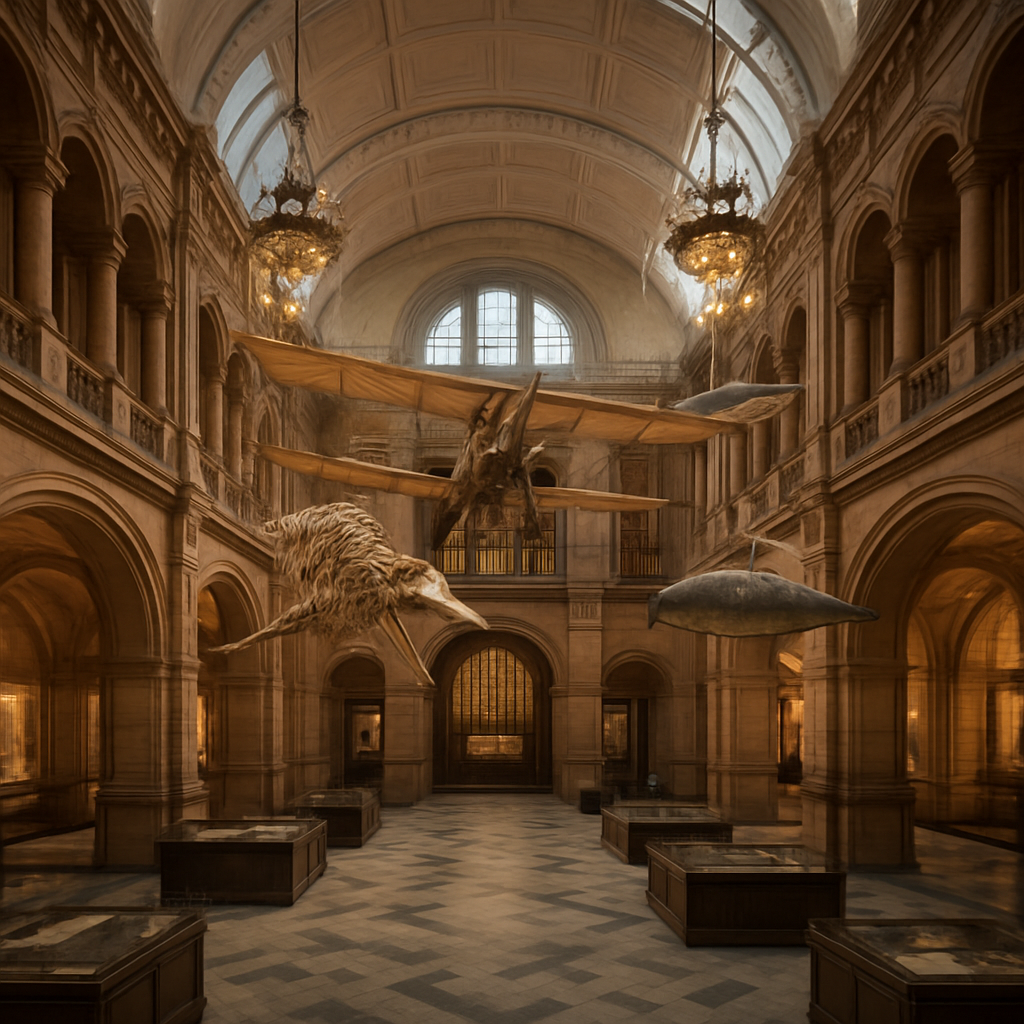
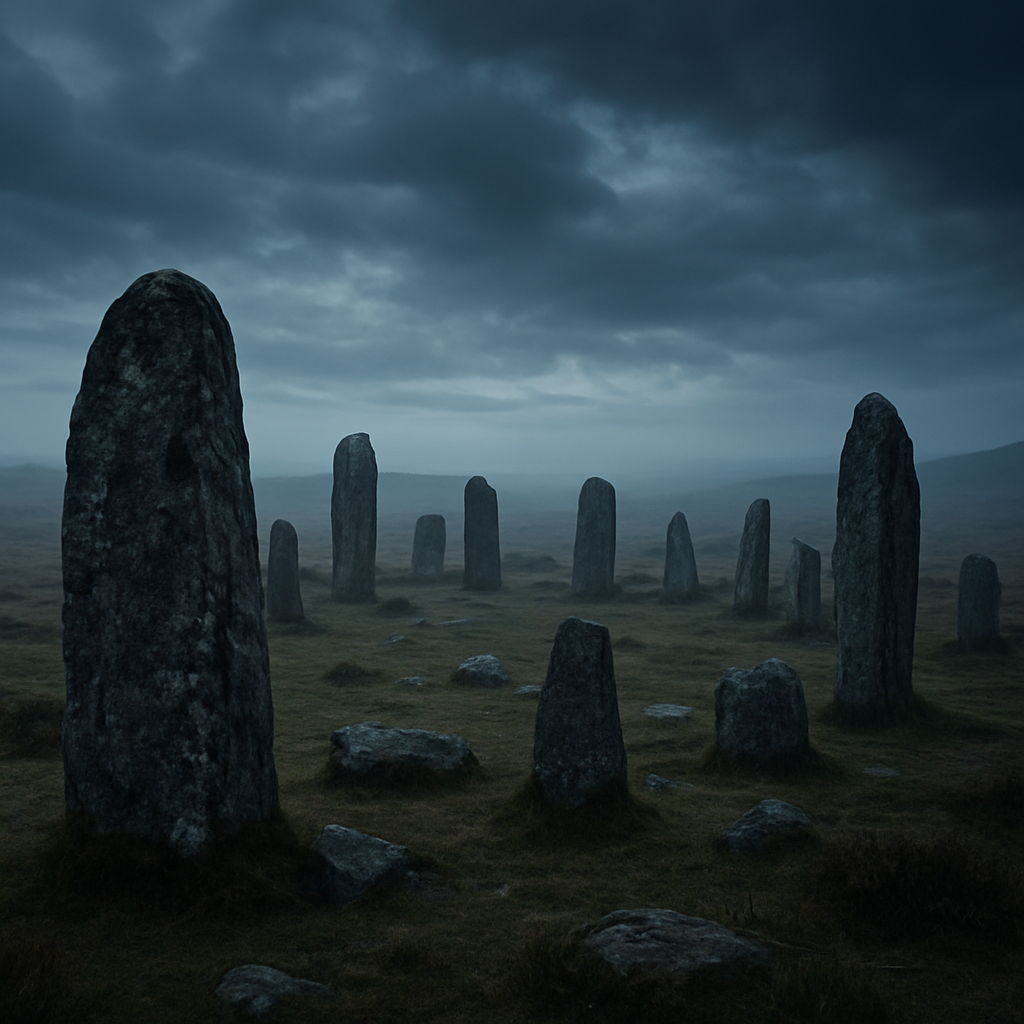
The feed is the place, not an endless scroll.
splatGraph keeps the familiar feel of sharing a photo, then adds location, depth, annotations, and replayable walks so every contribution stays connected to the real scene.
Pin the photo
Upload a frame and place it exactly where it was captured, so the image carries its location with it.
Mark the details
Tap glass, stone, murals, signs, or objects in the image and link each point to more context.
Open the scene
Turn a selected detail into a generated 3D scene, a wiki entry, or a path someone else can replay.
Ready to turn a photo into a shared place?
Open Glasgow Cathedral, pick the stained-glass frame, and follow the annotated path from a single image into a generated detail scene.
Open browsing Annotated photos Generated detail scenes